Reward Pathways in Smartphone Reel Games: Tracing Activation Triggers Across Platform Evaluations
Henrik Schwarz · Oct 7, 2026
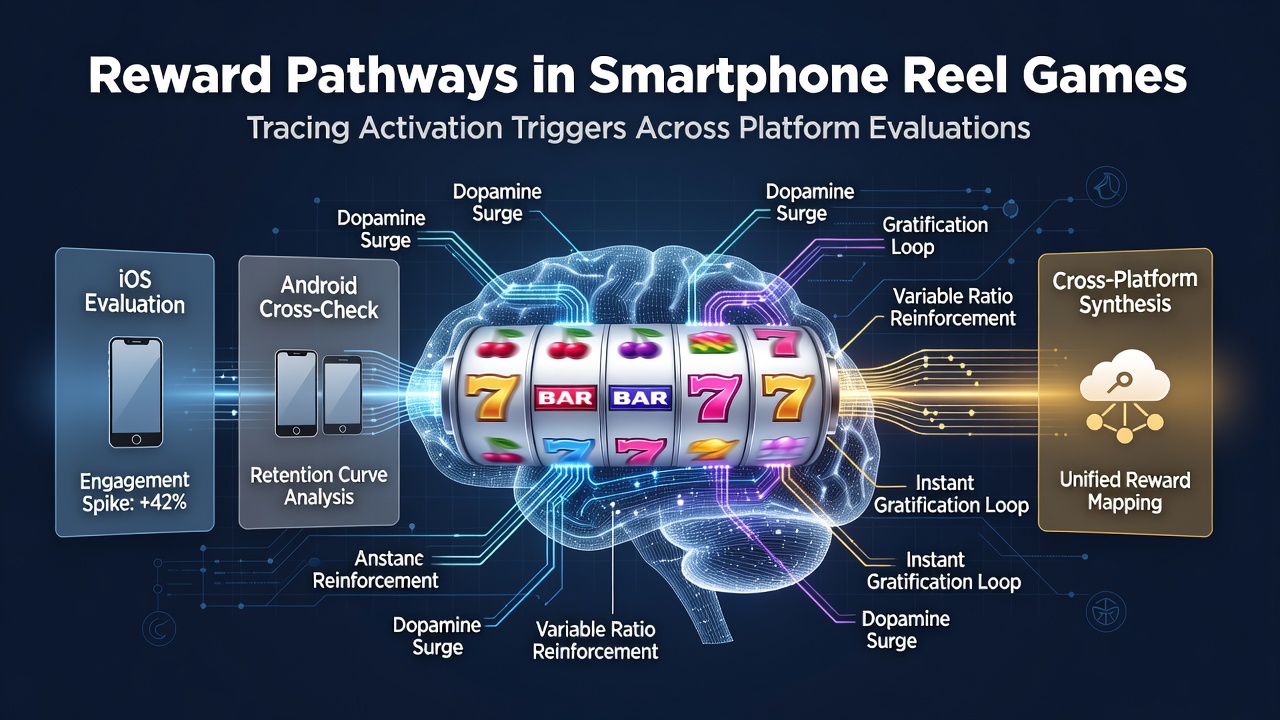
Reward Pathways in Smartphone Reel Games: Tracing Activation Triggers Across Platform Evaluations
Smartphone reel games operate through structured sequences that engage player attention via layered reward mechanisms, and these systems activate through specific triggers that differ across operating platforms. Data from industry evaluations in 2026 show consistent patterns where visual and auditory cues initiate dopamine-related responses, while progression elements maintain engagement over extended sessions. Researchers at multiple academic centers have mapped these pathways by analyzing player interaction logs from millions of sessions, revealing that reel alignment events combined with near-miss indicators produce measurable activation spikes in reward circuits.
Core Activation Triggers in Reel Mechanics
Reel games on mobile devices rely on immediate feedback loops that pair symbol combinations with escalating point values, and these loops begin with base spin animations that set expectations before outcomes resolve. Studies conducted across North American and European datasets indicate that bonus round entries serve as primary triggers, occurring when specific symbol counts appear on active paylines. Platform differences emerge here because iOS devices process animation timing with tighter frame synchronization than many Android implementations, which affects how quickly players register the transition from base game to feature mode.
Additional triggers include streak multipliers and level-up notifications that appear after repeated wins, while loss-mitigation features such as free spin allocations activate when session metrics hit predefined thresholds. Observers note that these elements function together rather than in isolation, creating chained responses where one reward event increases the probability of continued play. Evaluations performed in October 2026 across major app stores recorded average trigger frequency rates of 3.2 activations per 10 minutes on leading titles, with variations tied to device processing speed and network latency.
Platform-Specific Evaluation Patterns
Cross-platform testing reveals measurable differences in how reward pathways respond to hardware constraints and software optimizations. Android devices running varied chipsets show wider variance in animation smoothness during high-intensity reel sequences, whereas iOS hardware maintains more uniform delivery of visual stimuli. These technical distinctions influence trigger effectiveness because delayed feedback can reduce the intensity of reward circuit engagement according to timing-sensitive models developed in cognitive psychology research.
App store policies also shape available features, with regional guidelines determining which progression systems reach users. Data compiled by the Canadian Centre on Substance Use and Addiction demonstrates that titles optimized for multiple operating systems incorporate adaptive reward scaling to compensate for platform differences, ensuring consistent activation rates regardless of device type. Evaluations conducted through 2026 confirm that such adaptations correlate with higher retention metrics when compared against non-adapted versions.
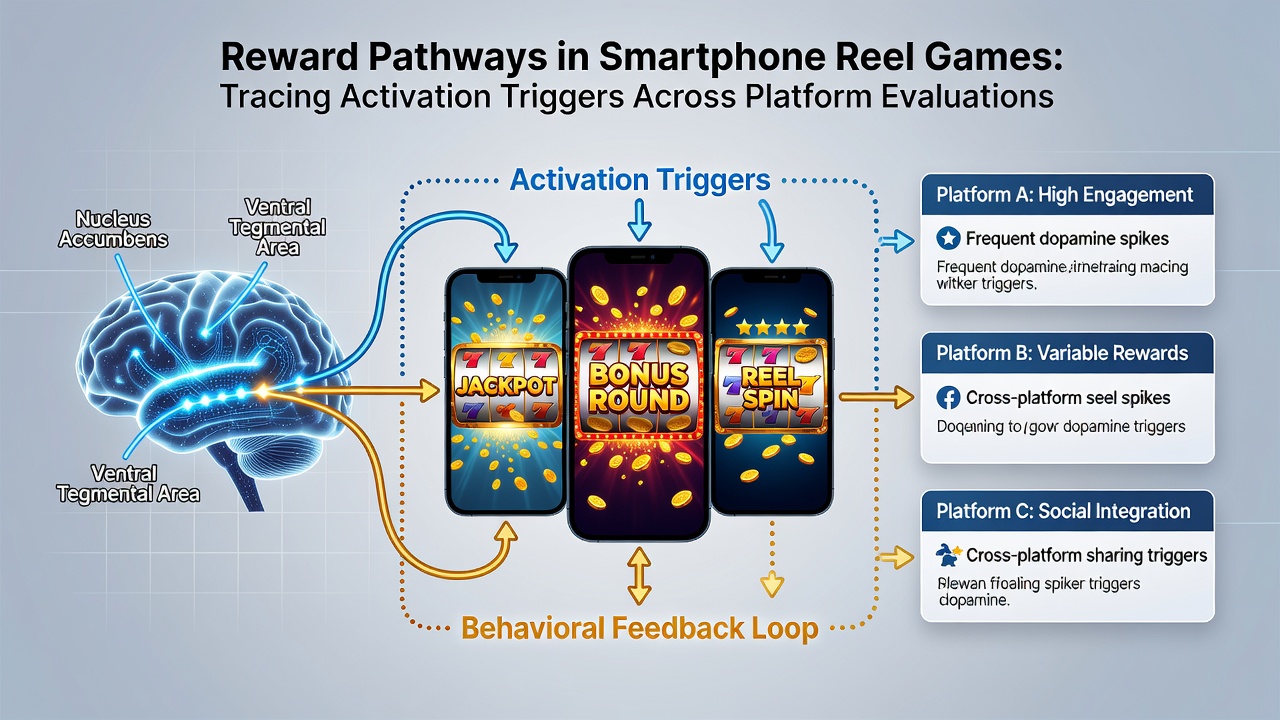
Tracing Reward Pathways Through User Data
Behavioral analytics platforms track how sequential triggers accumulate into sustained engagement, and aggregated figures from 2026 sessions illustrate that players encounter an average of 14 distinct reward events within the first hour of play. These events range from small symbol payouts to larger feature unlocks, each contributing incremental signals along established neural pathways. Research published by the University of Sydney's Gambling Treatment and Research Centre links higher trigger density with elevated session duration across both iOS and Android cohorts.
Platform evaluations further separate outcomes by demographic segments, showing that younger user groups respond more strongly to social sharing triggers embedded in reel games, while broader age ranges exhibit steadier responses to in-game currency accumulation. Network effects appear when games integrate cross-device synchronization, allowing reward progress to transfer between sessions started on different hardware. Such functionality maintains pathway continuity and reduces drop-off rates observed in non-synced environments.
Comparative Metrics Across Major Titles
Leading reel games demonstrate distinct trigger profiles when evaluated side by side, with some emphasizing rapid small rewards and others spacing larger activations farther apart. Comparative reports from the National Association for Gaming Research in Australia highlight that titles using hybrid models achieve more balanced activation curves, avoiding both rapid fatigue from constant small wins and disengagement from infrequent larger events. October 2026 testing cycles recorded performance gaps of up to 18 percent in average session length between optimized and non-optimized trigger arrangements.
These metrics incorporate variables such as network conditions, device age, and background application interference, all of which modulate how reliably triggers register with players. Developers adjust payout tables and animation priorities accordingly to maintain intended pathway responses across diverse usage contexts.
Conclusion
Platform evaluations of smartphone reel games continue to map reward pathway activation through systematic analysis of trigger sequences and hardware interactions, yielding datasets that inform ongoing design refinements. Figures collected through late 2026 underscore the role of synchronized feedback and adaptive scaling in sustaining consistent engagement levels regardless of operating environment. Continued monitoring by independent research bodies provides the empirical foundation for understanding how these systems function across evolving mobile ecosystems.